


Carnival in Rio de Janeiro
Carnival in Rio de Janeiro
Carnaval
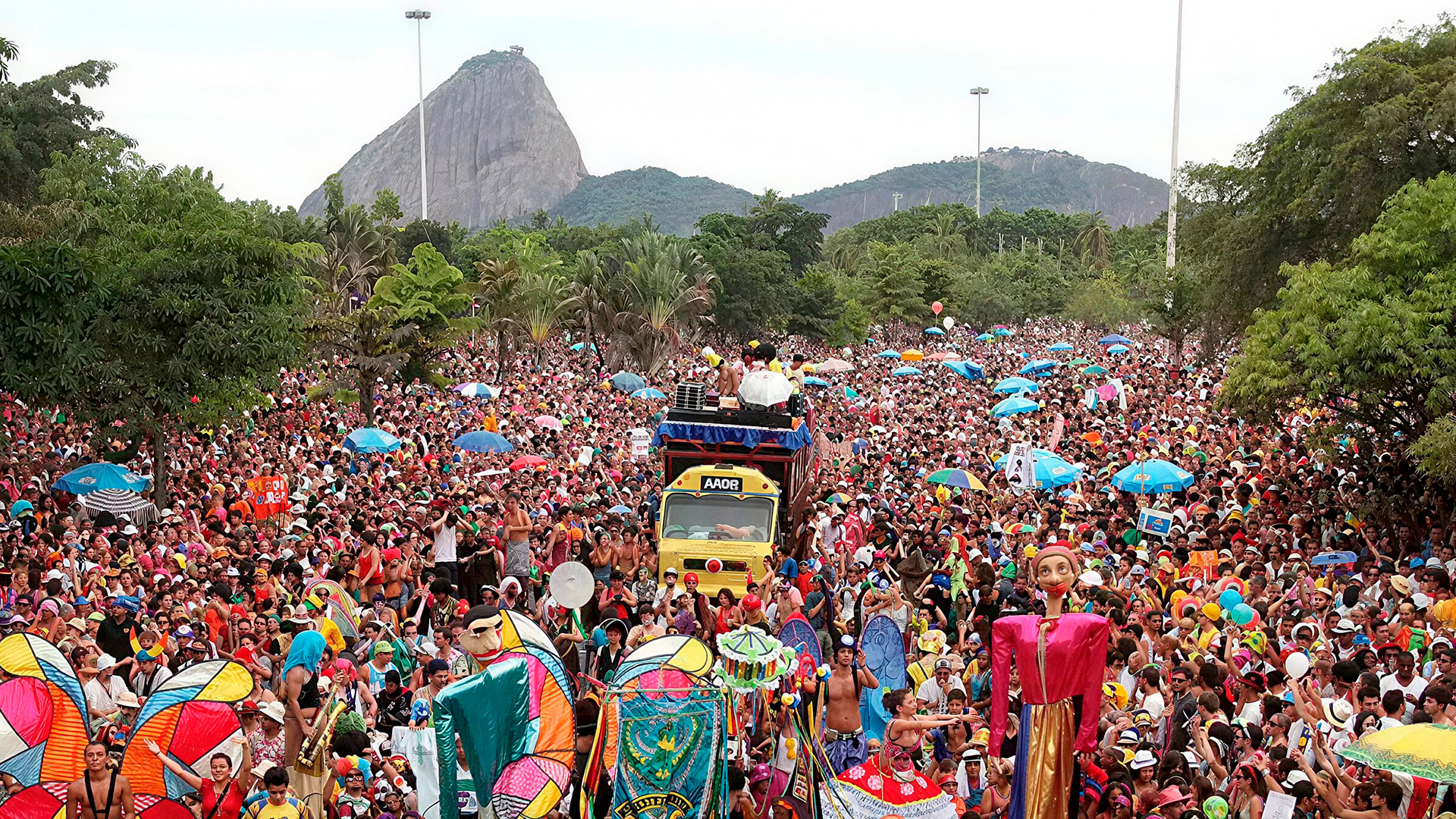
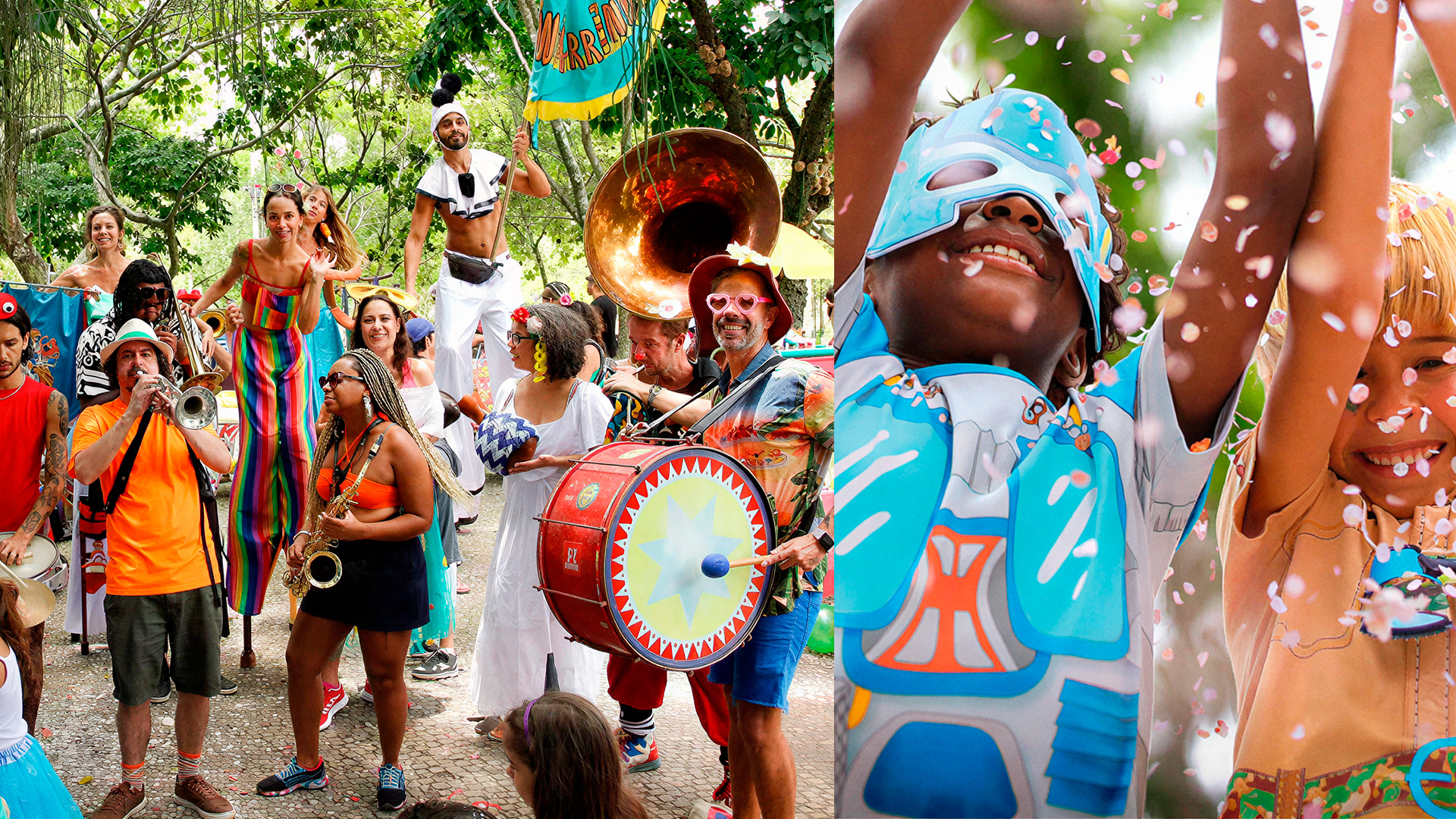
For those of us working in tourism who, in an informal conversation, mention we live in Rio de Janeiro, the most common response we hear back is: 'It’s my dream to go there for Carnival.' Seriously. 11 out of 10 people would love to experience what our samba singers call 'The Greatest Show on Earth.'. And we aren't even exaggerating. Rio’s reputation for organizing massive public events is impeccable. This is proven during New Year’s Eve but is doubled down on just weeks later—specifically, 45 days before Easter.
With origins tracing back to the colonial period, Carnival was brought to Brazil by the Portuguese. But it was here that the entrudo (the early street festivities) evolved into something better. We left our mark on this Catholic festival as a symbol of resistance and decolonial worship, transforming it into one of the greatest expressions of the country's working classes.
Of course, there are VIP boxes and gala balls in luxury hotels. But Carnival is also a festival of the streets and of the people. Perhaps this incredibly diverse mix is the true synthesis of our culture.
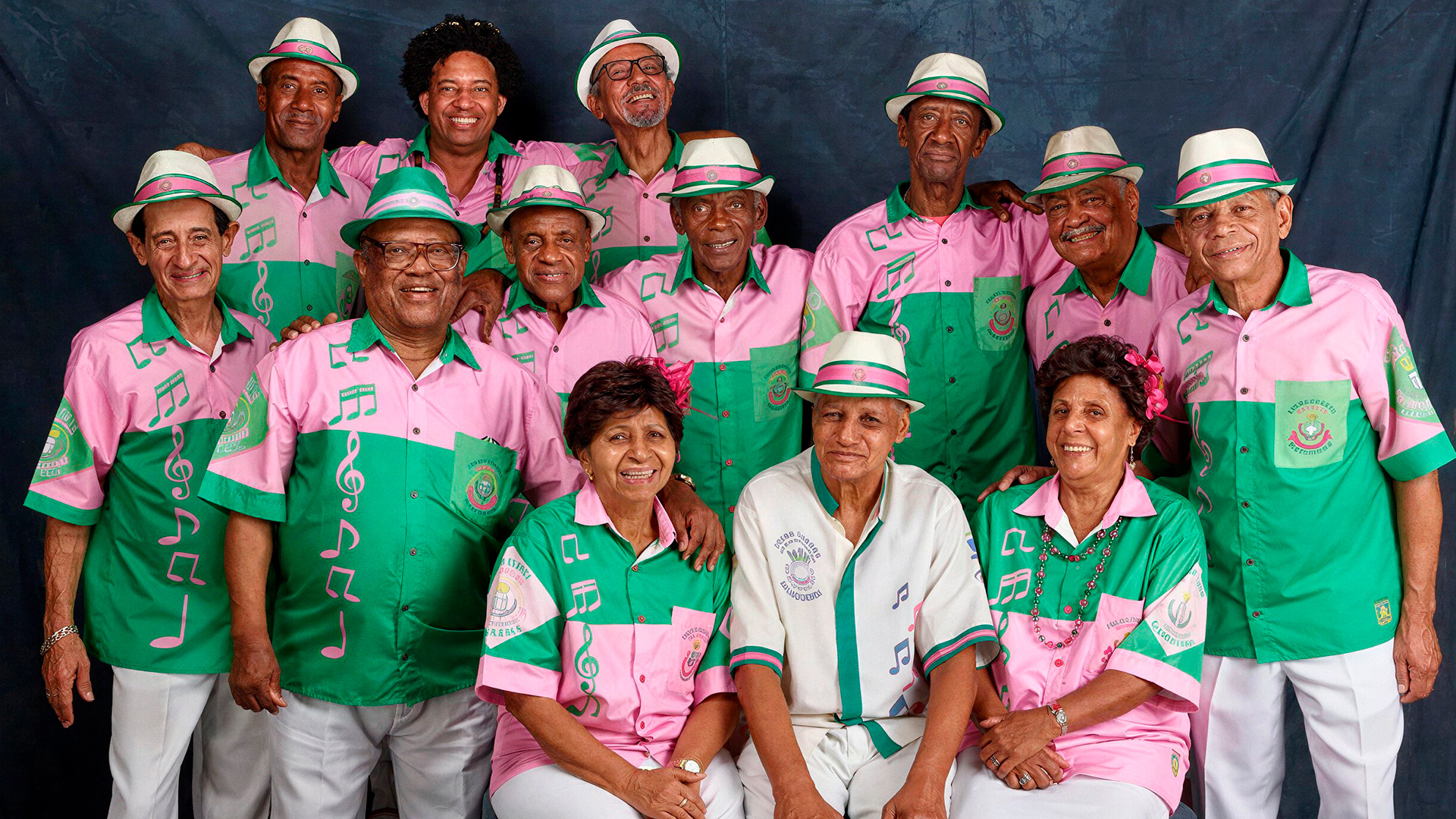
This year, Carnival takes place between February 13th and 18th. These are, in fact, the 'official' dates of the festival, when thinking about work is strictly forbidden. But even before that, Rio is already in full party mode.
Local pages like @aboutcarnaval give revelers daily updates on where the bloco rehearsals are happening and the schedule for each community's samba school practices. Since January 1st, the mood has been pure joy, and every weekend is all about letting loose.
Rio is the protagonist of all this revelry, both nationally and internationally. It is undoubtedly the most iconic Carnival in the world, holding its own even when compared to the great Caribbean diaspora festivals. Even the Guinness World Records recognizes it!
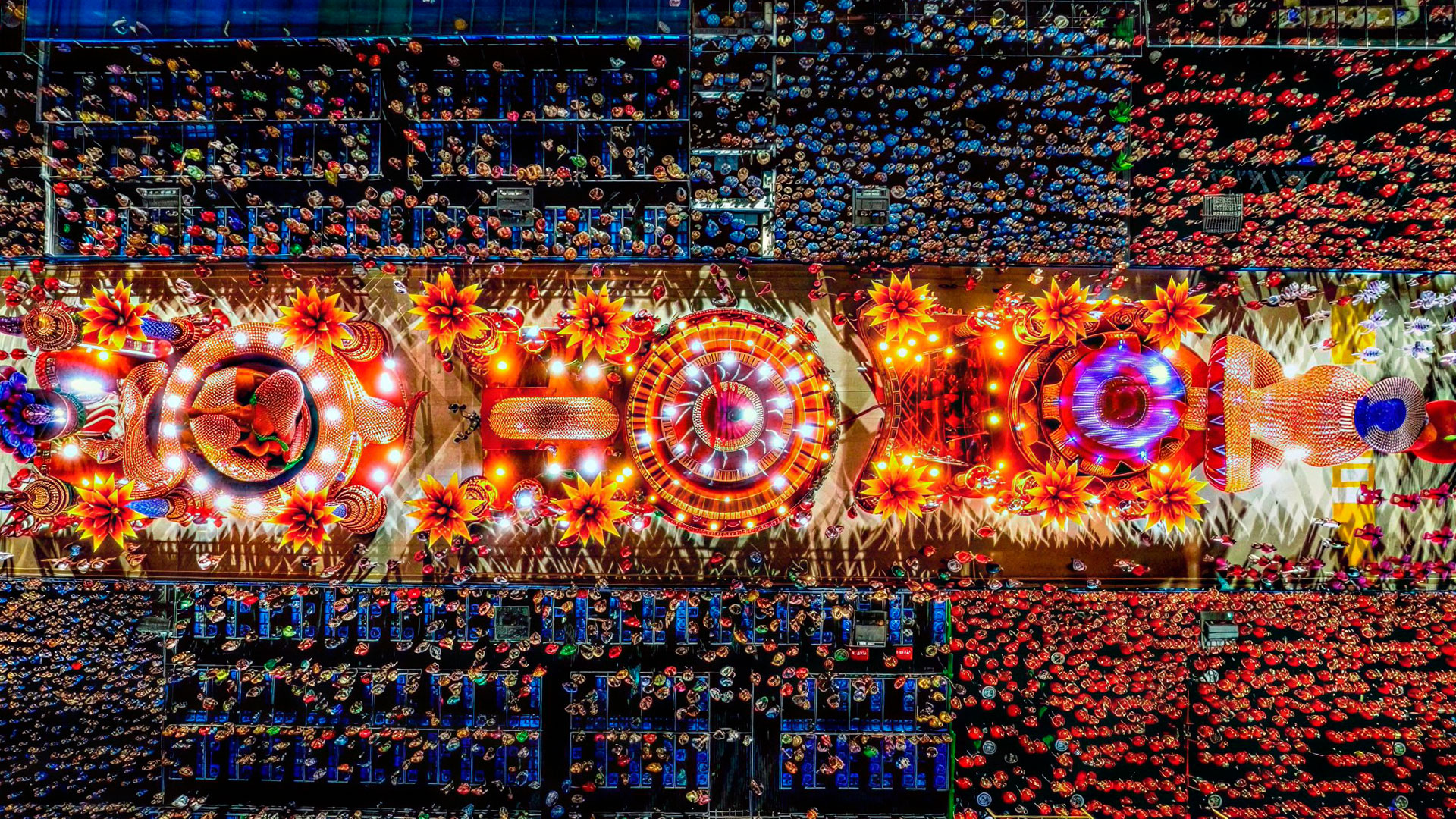
Annually, around 2 million celebrants come to celebrate across 4 intense days where anything can happen. But unlike Vegas, what happens here shouldn't stay here. Feel free to share this text far and wide and join the movement of multi-colored celebrations that define our festival
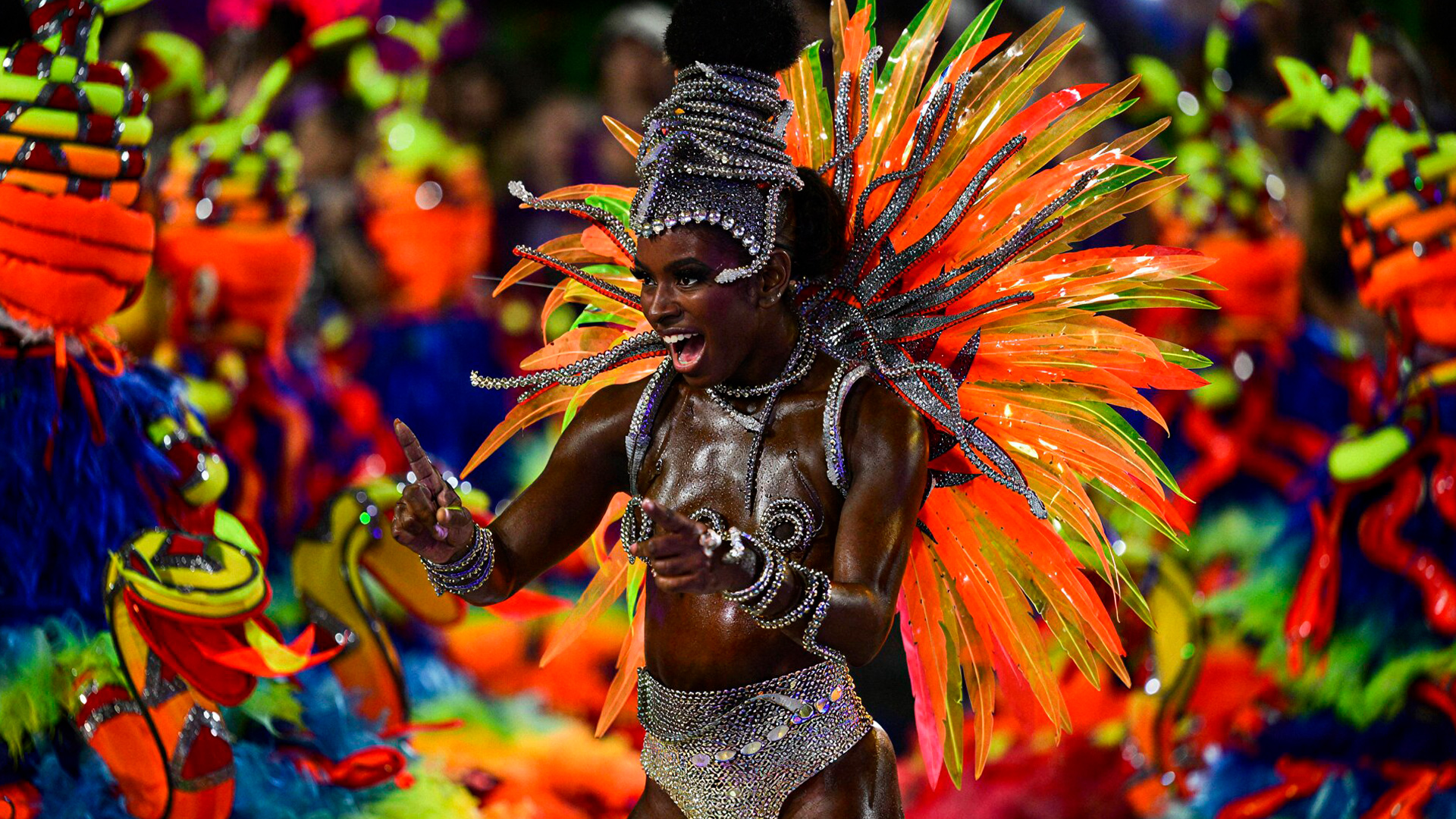
The samba school parades at the Sapucaí Sambadrome are taken very seriously, and the titles are anxiously awaited every Ash Wednesday. Each enredo (theme) tells a story about historical events or emblematic figures from our past. For this very reason, we recommend watching the spectacle with a professional guide who can translate and provide context to the show of set design and colors passing down the avenue.
During the day, city centers become stages for blocos singing marchinhas written centuries ago, sounding like a massive spiritual choir. But there is music of every rhythm for every audience. The Bésame Mucho block, for example, sings Latin songs in Spanish. Sargento Pimenta celebrates with music by the Beatles, while Gigantes da Lira plays children's classics to keep the kids entertained. On the trios elétricos (sound trucks), Ludmilla, Anitta, and company get the crowds moving to samba, pagode, axé, and funk.
But don't worry—for those who feel that four days of non-stop partying is too intense, there is always a countryside town within a four-hour drive of the capital where the crowds are thinner, the bloquinhos are smaller, and the nature is inviting enough to balance pleasure with rest.
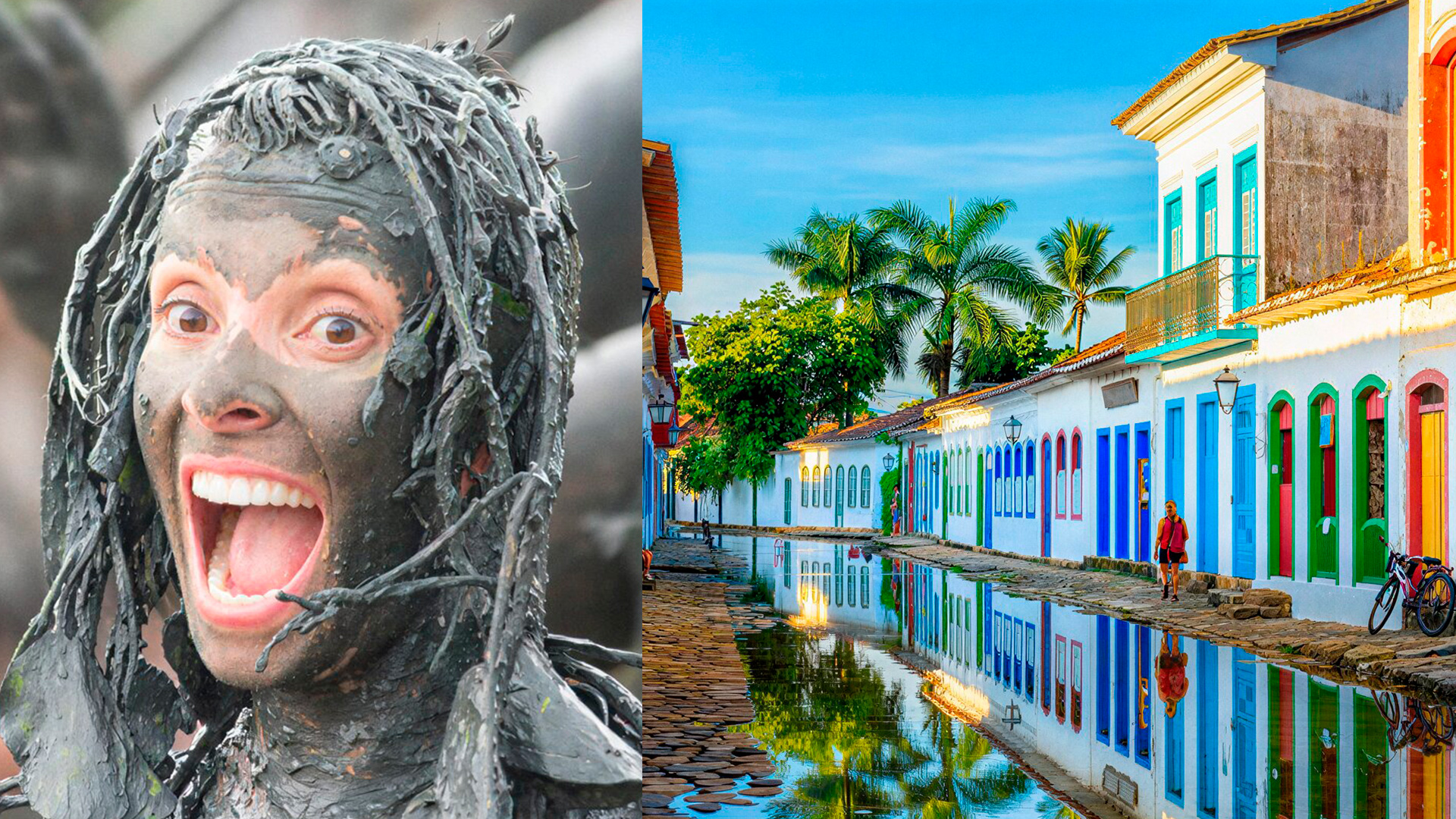
Such is the case with Paraty, for example, and its traditional Bloco da Lama (Mud Block). It invites everyone to a very alternative celebration in a city where you can stop to appreciate a different pace of life and architecture, dating back to the days when Carnival here was still a new Portuguese import
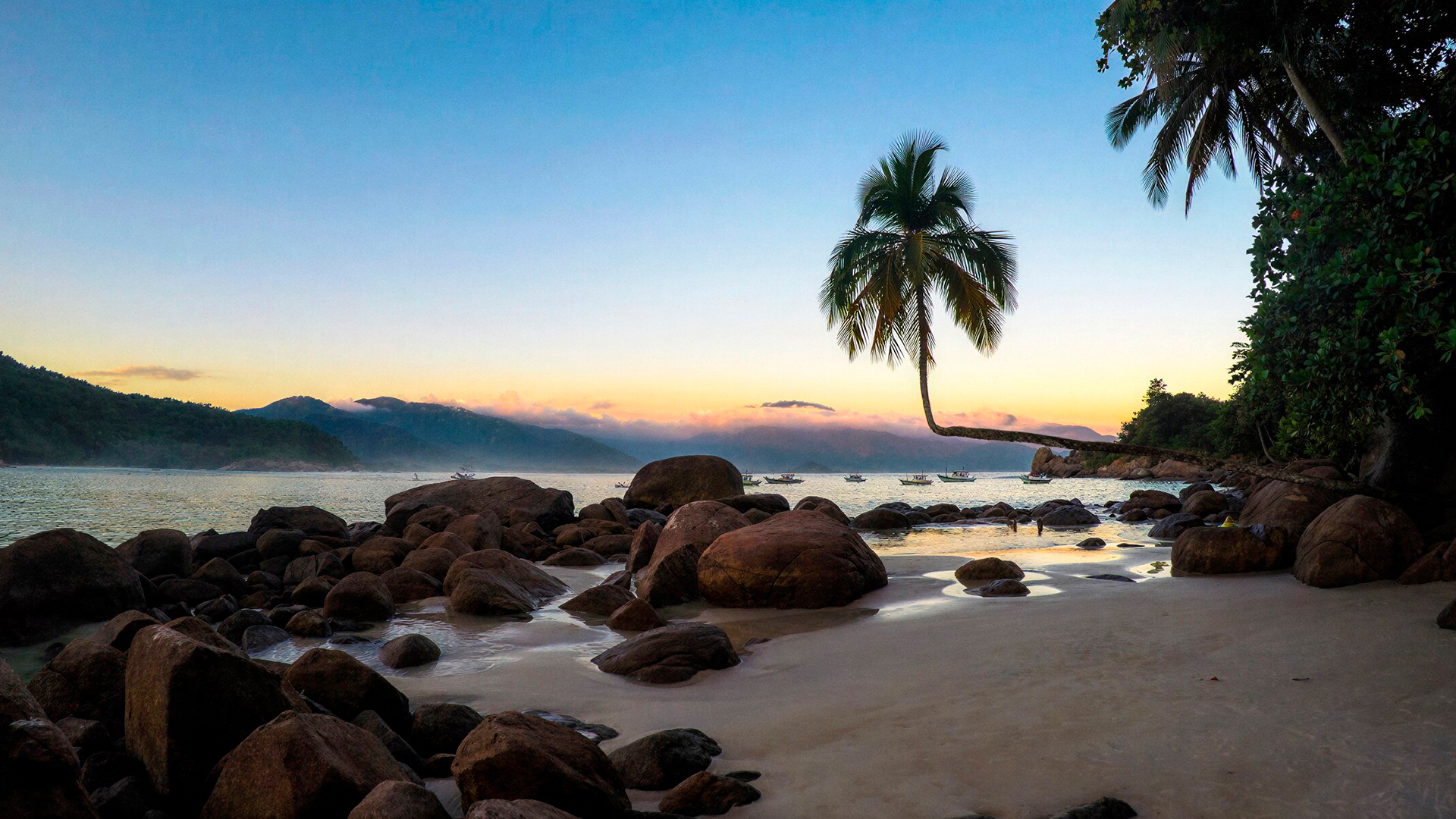
Actually, Paraty, Angra dos Reis, and Ilha Grande are perfect for spending the holidays surrounded by the Atlantic Forest. In Paraty, recognized as a UNESCO World Heritage Site, the Historic Center comes alive with lights, shows, and cultural events. In Angra and Ilha Grande, the calm, turquoise sea creates the perfect setting for travelers who want to slow down and spend the days in close contact with nature or finishing a book.
Fans of freshwater will find in Itatiaia, home to breathtaking waterfalls—perfect for washing away the final traces of 2025 and finally starting the new year. Penedo, Visconde de Mauá, and the entire Agulhas Negras region are ideal for recharging. Waterfalls, hiking trails, gastronomy, and accommodations integrated with nature create the perfect atmosphere for a more introspective and inspiring transition into the New Year.
After all, as the locals in Rio say: the year only truly begins after Carnival.

Whatever your style, there’s a perfect Rio for Carnival story. And if you want to craft a tailor-made itinerary to enjoy every sparkle, every flavor, and every corner of this enchanting state, our e-book, destination’s official website and Instagram channels reveal all the secrets.
Come to Rio!
Live the turn of the year in a place where the world gathers to celebrate life.